
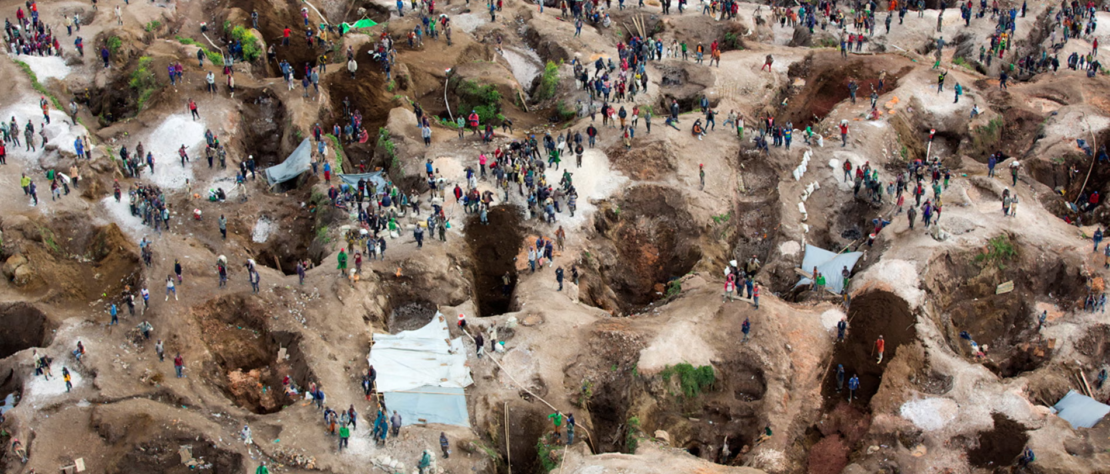
Deadly Landslide Exposes Risks of Artisanal Mining
More than 200 people died this week after a landslide struck the Rubaya coltan mine in eastern Democratic Republic of Congo. The incident highlights the extreme dangers faced by artisanal miners in conflict zones.
The collapse happened on Wednesday after seasonal rains weakened unstable ground. The landslide buried miners, children, and market women, according to rebel-appointed local officials.
Rescue teams continue searching the site. Some sources estimate the death toll has reached at least 227, making it one of the deadliest mining disasters in the region in recent years.
“This is a major humanitarian tragedy,” a local official said. “Whole families were present when the ground collapsed.”
Witnesses described panic and confusion as people dug through debris to reach survivors. Many victims suffered serious injuries. At least 20 people are receiving treatment at nearby medical facilities.
A Mine Critical to Global Technology
The Rubaya mine sits about 60 kilometers northwest of Goma in North Kivu province. It plays a major role in the global technology supply chain. The site produces about 15 percent of the world’s coltan.
Manufacturers refine coltan into tantalum, a metal used in smartphones, laptops, aerospace equipment, gas turbines, and medical devices.
Despite its importance, working conditions at Rubaya remain dangerous. Miners dig by hand with little safety equipment. Most earn less than $3 a day and receive no formal protections.
“People take these risks because they have no other way to survive,” said a humanitarian worker familiar with the area.
Conflict and Rebel Control
The disaster occurred in a region shaped by decades of violence. Armed groups have long fought for control of eastern Congo’s mineral wealth.
The March 23 Movement, known as M23, has controlled Rubaya since April 2024. The group seized the town and its mines and set up its own administration.
The United Nations and several governments say Rwanda backs M23, a claim Kigali denies. The group taxes miners and mineral exports to fund its operations.
U.N. experts estimate M23 earns about $300,000 each month from Rubaya’s coltan trade. Smugglers move much of the ore through Rwanda before it reaches global markets.
M23 expanded its control in 2025, including the capture of Goma and other mineral-rich areas. The advance worsened a humanitarian crisis marked by displacement, abuse, and weak governance.
Eastern Congo holds an estimated 60 to 80 percent of the world’s coltan reserves. Despite this wealth, local communities remain deeply poor.
Recent reports say M23 raised some miners’ wages to keep workers at the site. Conditions, however, remain harsh. Child labor continues, and women face constant safety risks.
Global Supply Chain Concerns
The Rubaya collapse may affect global tech markets due to the mine’s importance to tantalum production. Coltan from conflict zones often enters unclear supply chains.
Traders mix illegal ore with legal supplies. Many shipments pass through Rwanda, bypassing traceability programs such as the International Tin Supply Chain Initiative.
A U.N. report released in December 2025 described how M23 tightened control over mining and trade. The report linked mineral revenues to violence that has killed thousands and displaced millions.
In response, the United States imposed sanctions in 2025 on individuals and groups tied to illegal mining. Some of those groups previously controlled Rubaya.
“Conflict minerals remain a serious problem,” a U.N. investigator said. “Weak enforcement allows abuse to continue.”
Local Economic and Human Impact
Rebel control has badly damaged the local economy. Provincial revenues have collapsed, and formal markets no longer function normally. Analysts report significant monthly losses in coltan production.
Artisanal mining ranks among the world’s most dangerous jobs. Accidents occur often due to unstable ground and poor oversight.
Human rights groups have warned for years about child labor and the lack of basic protections in Congo’s mining regions.
Renewed Calls for Action
The Rubaya tragedy has renewed calls for international action. Experts urge stronger controls to block conflict minerals from global markets. They also call for better safety standards and political solutions in eastern Congo.
Rebel leaders have criticized recent U.S.-DRC mineral agreements. Their objections complicate efforts to attract responsible foreign investment.
As technology companies face growing pressure over sourcing practices, the disaster highlights the human cost behind modern electronics.
“Every device has a human story,” a regional analyst said. “Too often, that story involves suffering.”
Aid groups say international support is urgently needed. Without it, Congo’s mineral wealth will continue to fuel violence instead of improving lives.